
Deceased Estate Administration in Johannesburg
After a death, families and executors need a clear process for dealing with the estate. Hugh Raichlin Attorneys assists with deceased-estate administration, document preparation and related disputes, with sensitivity to the practical and personal circumstances.
The initial telephone discussion is free and helps us understand whether the firm can assist. A paid consultation is arranged where appropriate. We aim to respond within one working day after receiving your enquiry.

Attorney
Deceased-estate reporting, administration and trust-related matters.
This page is for you if…
- You need to report a death and estate to the Master.
- You have been nominated or appointed executor.
- Estate property, debts or beneficiary questions need attention.
- Administration has stalled or you are concerned about an executor's conduct.
How Hugh Raichlin Attorneys can help
Reporting a death to the Master, obtaining the appropriate authority to act, and administering the estate are three distinct steps. Reporting starts the process; the appointment (such as letters of executorship) gives the lawful authority to deal with estate assets; administration is the ongoing work of identifying assets and liabilities, accounting and distributing through the proper process. Heirs cannot distribute assets or use the deceased's credentials before the appropriate authority is in place.
- Whether the death and estate have been reported to the Master.
- Whether an executor or representative has been appointed, and the form of appointment.
- A summary of estate assets and liabilities.
- Details of relevant institutions and any existing appointment letters.
- Correspondence with the Master, executor or other parties.
Reporting and authority
We assist with identifying and preparing the documents needed for the appropriate estate process. The estate's size, assets and circumstances can affect the form of appointment and administration.
Administration and coordination
The work can include identifying assets and liabilities, liaising with institutions, notices, accounts, tax coordination and distribution steps. Property transfers may require conveyancing support.
Disputes and protective steps
We assess beneficiary concerns, disputed administration and possible court relief. Delay or disagreement alone does not automatically justify removing an executor; evidence and the interests of the estate matter.
What to consider before deciding
Keep estate and personal affairs separate
Do not use the deceased's credentials, distribute assets informally or assume family agreement replaces the legal process. Records, authority and proper estate accounting protect beneficiaries and the person administering the estate.
Timing and cost vary
Missing documents, tax, property, contested claims, liquidity and institutional responses affect progress. The legal scope and administration charges should be explained rather than reduced to a guaranteed completion period.
Know which issue needs which service
Routine administration, a disputed will, an executor-removal application and a property transfer may require different instructions. The firm can help separate those issues early.
The administration process
- 1
Report & establish authority
Report the death and obtain the appropriate appointment.
- 2
Identify assets & liabilities
Locate estate assets, debts and institution details.
- 3
Account & coordinate
Notices, accounts, tax coordination and clearances.
- 4
Distribute & finalise
Distribution through the proper process and estate finalisation.
Dispute or missing authority? Obtain advice
Where authority is missing or administration is disputed, obtain advice before acting.
Heirs cannot transfer assets before appointment or the required accounting. A dispute or missing-authority branch may require advice before any further step.
The next steps
- 1Identify the will, estate assets and immediate administrative needs.
- 2Report and establish the appropriate authority.
- 3Administer assets, liabilities, accounts and required notices.
- 4Distribute through the proper process and finalise the estate.
Information to prepare
A brief enquiry is enough to start. Keep the relevant information below available for the consultation where possible. Send sensitive documents only when the firm requests them through an appropriate channel.
- Death certificate, original will and any codicils.
- Marital-status information and identity documents when requested.
- A summary of estate assets and liabilities.
- Details of the relevant institutions and any existing appointment letters.
- Correspondence with the Master, executor or other parties.
Common mistakes to avoid
Avoid accessing the deceased's online accounts, paying beneficiaries ahead of the legal process, mixing estate money with personal funds or assuming every disagreement proves misconduct.
Relevant experience for your matter
HRA acted for the successful applicants in Shorkend N.O. and Others v Setton N.O. and Others, case 2023/096257, involving executor removal and restorative orders. The connected application for leave to appeal was dismissed in February 2026. Each estate is assessed on its own facts.
Jessica El-Hage
Attorney
LLB · University of Johannesburg
Deceased-estate reporting, administration and trust-related matters.
View Jessica's profile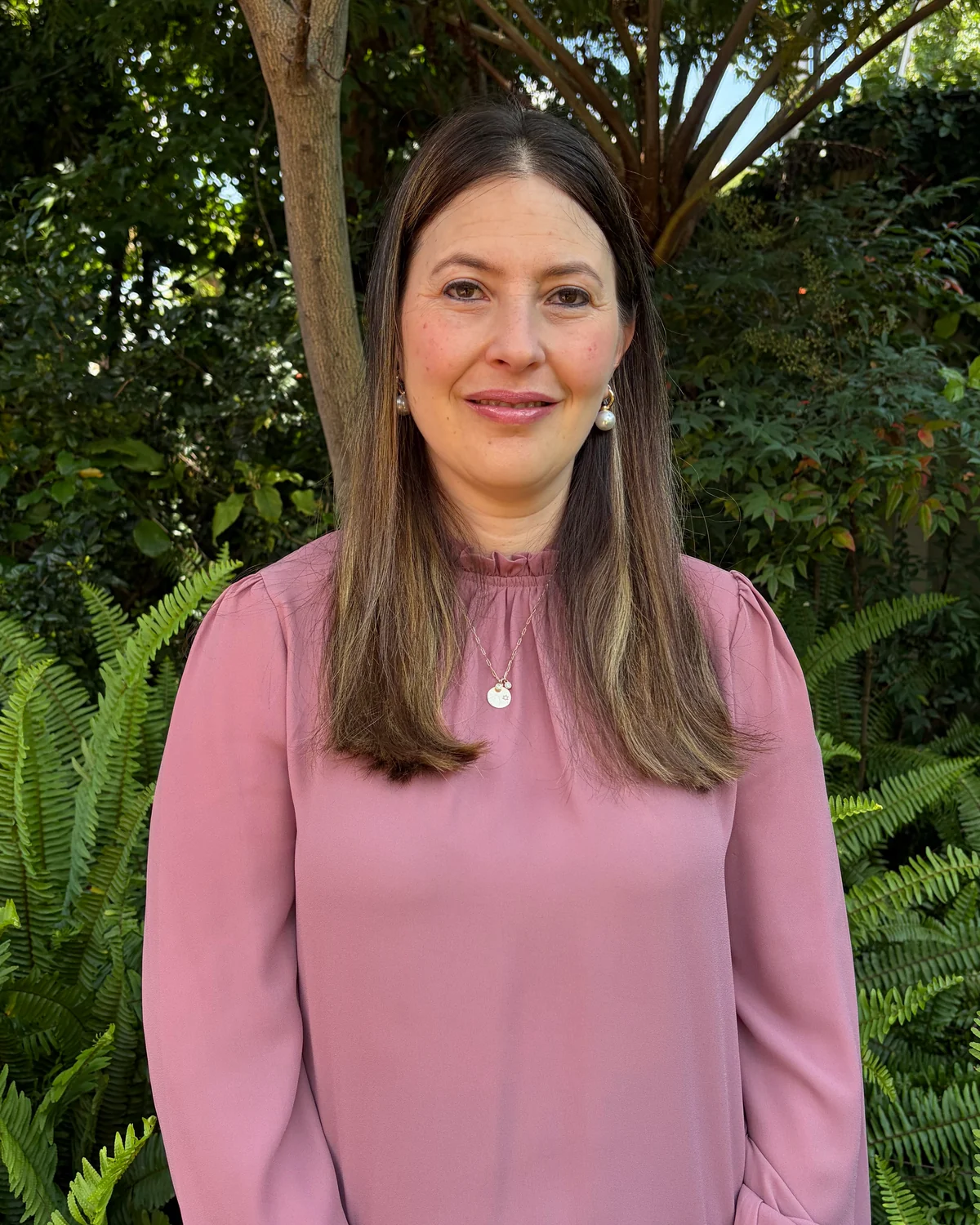
Abigail Sher
Attorney, Notary & Conveyancer
LLB · University of South Africa
Conveyancing and notarial work supporting estate property transfers.
View Abigail's profile
Hugh Raichlin
Principal Attorney & Accredited Mediator
BA, LLB · University of the Witwatersrand
Litigation experience in deceased-estate disputes, including executor-removal proceedings.
View Hugh's profileFrequently asked questions
Does nomination as executor let me act immediately?
Not by itself. The appropriate authority and appointment process must be established.
Can you help if an executor is not cooperating?
Yes. We can assess the records, conduct, administration risks and appropriate steps. Removal is not automatic.
How long does an estate take?
There is no reliable universal period. Assets, tax, claims, disputes and third-party processes affect timing.
Can HRA assist with estate property transfers?
The firm has conveyancing capability, subject to the estate authority and relevant instructions.
Related services
Legal Insights
After a death: separate immediate family arrangements from authority to administer the estate
Organise the first estate documents, protect property without exceeding your authority, and distinguish death registration from reporting to the Master.
A beneficiary witnessed the will: what should the family do next?
A beneficiary’s involvement in signing or writing a will can create a problem even when the document exists. Understand the distinction and next steps.
Useful sources
- Master of the High CourtStart with the Master’s overview of deceased estates to find the public office and information involved in administering an estate.
Get clear guidance on administering a deceased estate.
Tell us the status of the estate, the will and the immediate administrative need. We will identify the authority and steps required.
How to get started
- 1
Send a brief enquiry, or start an AI-assisted WhatsApp enquiry at any time.
- 2
The initial telephone discussion is free and helps the firm assess whether it can assist. Where the firm may be able to help, an attorney ordinarily follows up within one working day after receipt.
- 3
Where appropriate, a paid consultation is arranged. Its scope and fees are confirmed separately; consultations are usually in person, with remote arrangements considered where suitable.
WhatsApp AI gathers initial information; it does not provide legal advice. An enquiry does not confirm an appointment, acceptance of a matter or action on a deadline.